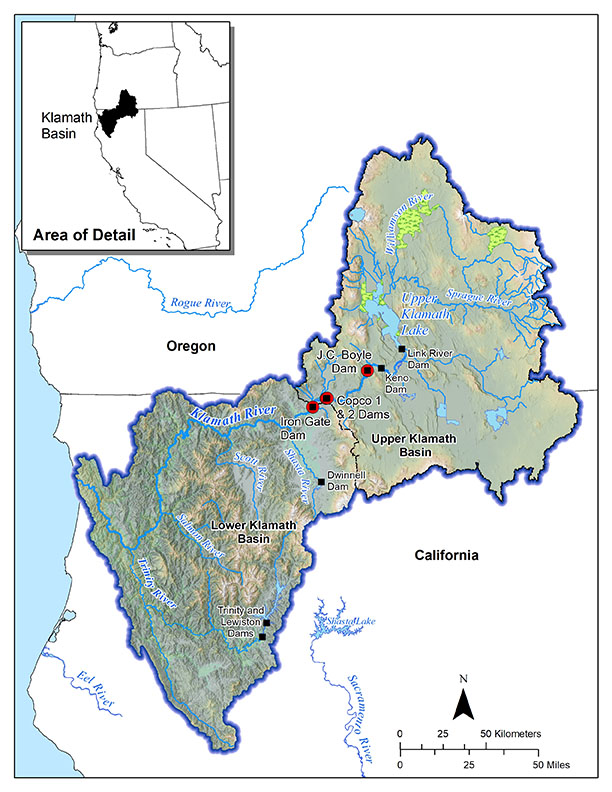
Greetings from the verdant and fecund basin that is the Williamson River Valley. This area of southern Oregon is part of the ancestral home of the Klamath Tribes, a group comprised of The Klamath, Modoc and Yahooskin peoples. A highly successful group that inhabited this land of plenty, a gift of Gmok’am’c the creator for thousands of years before the arrival of the first Europeans. A fur trapper named Peter Ogden who was in the employ of the infamous Hudson Bay Company was the first non-indigenous human to set foot in the area in 1826.
After many years of hostile engagements with the growing number of Europeans in the area, the Klamath were forced to cede millions of acres of land once the Reservation period commenced. The tribe retained hunting and fishing rights in what little remained of their once vast territory. However, despite the loss of land, the Klamath were quite successful and managed to remain financially independent through cattle farming, freighting and selling lumber to the colonists.
In 1961 the Federal Government removed the Klamath from the Federally recognized tribal list despite evidence to the contrary provided by both the Bureau of Indian Affairs and the tribal elders that they were not ready to assimilate into European culture or thrive without access to education, healthcare and other resources provided by their status as a reservation. Many tribal members were offered individual payments for their land and the U.S government bought the forested land in five-thousand-acre parcels while a paper company based in California acquired 90,000 acres. The effects of the termination were far reaching and created a cultural bloodbath comprised of reduced lifespans, higher infant mortality rates, higher incarceration rates and alcoholism. This was in effect a land grab by the U.S Government. The termination was eventually rescinded in 1986 but the lands taken in 1961 were not returned.
Presently their position has improved and, in this wonderland, steeped in history both good and ill lies a rich vein of Bigfoot lore. What follows may lack the exacting standards of my normal process that my readers have become accustomed, but anthropology is not my field of study so in this endeavor I am but a novice.
The Modoc, refer to the hairy hominid as Mata Kagmi, while the Klamath name it Ste-ye-hah which loosely translates as “spirit hiding in the cover of woods” there is some confusion here so more research is necessary as Ya, yah, Ya-ash might refer to Bigfoot but is described as a one legged spirit. Another phenomenon of note are the so called “Stick Indians” which is clearly a European euphemism. These beings are often described as having their hair plaited and wearing skin clothing. I’m led to understand that they are quite hostile and should be avoided at all costs. I imagine that these must be homo sapiens, or a close relative based on the lore but it’s all to the good as the Wildman/Sasquatch phenomenon often contain reports detailing similar traits and behaviors leading the lay person to perhaps confuse one for the other, It’s only through years of dedicated and rigorous application of the scientific process that one can learn to separate the wheat from the chafe in the mine field that is Sasquatch research. I leave you now dear reader as I must make some headway into the bush before nightfall.
p.s
I will continue to pass on some of the indigenous lore I collect as I go.
 Dr. Milo Meeker’s Field Notes